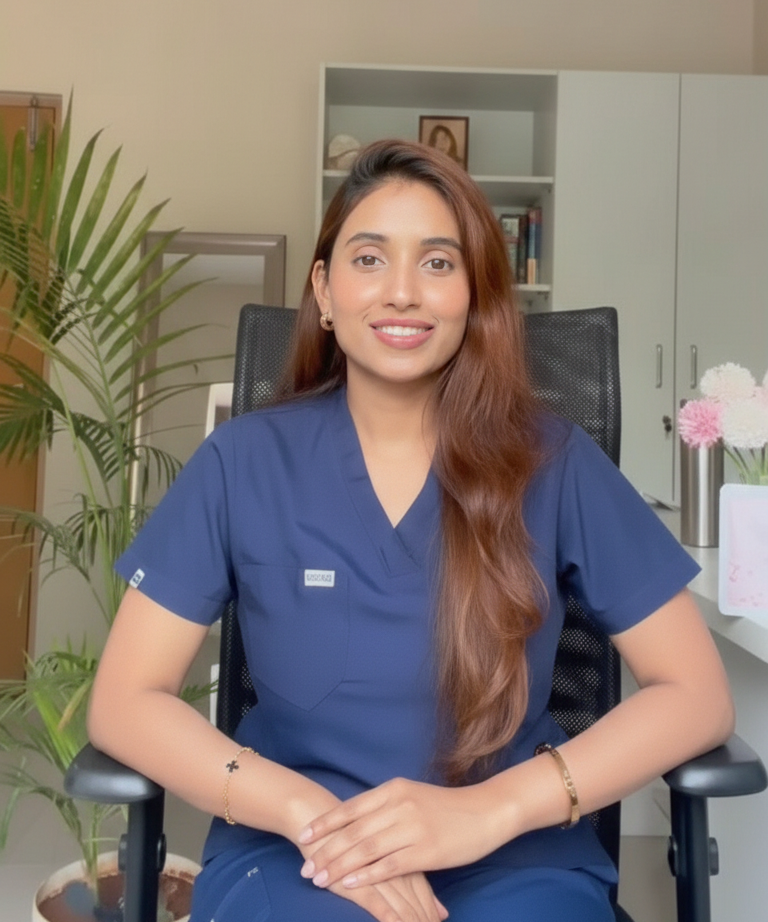
By Dr. Vishakha Iyer, Dermatologist and Aesthetic Medicine Specialist | Cheveuderm, HBR Layout, Bangalore
Most conversations about facial hair removal for women focus only on removing hair. Threading, waxing, laser, and IPL all target hair in different ways.
Dermaplaning is different because it does more than remove facial hair. It also smoothens the skin by removing the layer of dead skin cells that can make your face look dull, rough, or uneven.
In one session, dermaplaning removes fine vellus hair, also known as peach fuzz, along with dead skin buildup from the surface. This is why many people notice smoother, brighter skin immediately after treatment.
At Cheveuderm, dermaplaning is often recommended for people who want better skin texture, smoother makeup application, and a fresh glow without downtime. However, it is also a treatment that needs proper assessment, because it is not suitable for every skin type.
This guide explains what dermaplaning does, how it compares with other facial hair removal options, who it suits, and what you can expect after the session.
Why Fine Facial Hair Can Affect Your Skin
Fine facial hair is usually soft and light. On its own, it may not look very visible. But it can still affect the way your skin looks and feels.
It Can Trap Buildup
Fine facial hair can trap oil, dust, pollution, skincare residue, and dead skin cells on the skin surface. Over time, this buildup can make the skin look dull and tired.
It can also make your skincare products feel less effective because they may not absorb as well through the surface layer.
It Can Affect Makeup Application
Foundation and powder can cling to peach fuzz instead of sitting smoothly on the skin. This can make makeup look patchy, textured, or cakey.
Many people think the problem is their makeup product, but often the issue is the uneven skin surface underneath.
It Often Comes with Dead Skin Buildup
People who come in for skin polishing treatment, dull skin, or rough texture often have two concerns at the same time: fine facial hair and dead skin buildup.
Dermaplaning works well because it addresses both concerns in one treatment.
What Dermaplaning Actually Does
Dermaplaning is a professional skin treatment where a trained practitioner uses a sterile, surgical-grade blade to gently remove:
- The outermost layer of dead skin cells
- Fine vellus facial hair, also called peach fuzz
The treatment is done with careful technique and proper hygiene. It does not involve chemicals, heat, needles, or laser energy.
Dermaplaning is sometimes described as a type of skin polishing or face exfoliation treatment. It gives the skin a cleaner, smoother surface and can make the face look brighter immediately.
Most patients notice the difference as soon as they touch their skin after the session.
Dermaplaning vs Other Facial Hair Removal Options
Dermaplaning is often compared with threading, waxing, laser hair removal, and microdermabrasion. Each treatment has a different purpose, so the right choice depends on your concern.
Dermaplaning vs Threading
Threading is commonly used for chin hair and upper lip hair removal in India. It uses a twisted cotton thread to pull hair from the follicle.
Threading removes hair effectively, but it does not exfoliate the skin. It can also cause redness, bumps, or irritation, especially in sensitive skin.
Dermaplaning removes fine hair at the surface and exfoliates the skin at the same time. For most suitable skin types, it causes less redness than threading.
| Factor | Dermaplaning | Threading |
|---|---|---|
| Removes fine facial hair | Yes | Yes |
| Removes dead skin | Yes | No |
| Removes hair from root | No | Yes |
| Redness after treatment | Usually minimal | Common |
| Suitable for sensitive skin | Often suitable | Can irritate sensitive skin |
| Frequency | Every 3-4 weeks | Every 2-4 weeks |
| Skin benefit beyond hair removal | Yes | No |
Verdict
If your only concern is visible dark hair on the chin or upper lip, threading can be effective.
If you also want smoother texture, better skincare absorption, and instant glowing skin, dermaplaning gives more skin benefits in one session.
Dermaplaning vs Waxing
Facial waxing removes hair from the root using warm wax. It can work for hair removal, but the pulling action can irritate the skin.
For people with sensitive, dry, dehydrated, or mature skin, waxing may cause redness, sensitivity, or discomfort. It may also increase the risk of pigmentation in some Indian skin tones, especially if the skin is already irritated.
Dermaplaning does not use heat and does not pull hair from the root. It is generally gentler on the skin when done by a trained professional.
| Factor | Dermaplaning | Waxing |
|---|---|---|
| Removes fine facial hair | Yes | Yes |
| Removes coarse hair | No | Yes |
| Skin pulling | No | Yes |
| Pigmentation risk | Low when done correctly | Higher in sensitive skin |
| Exfoliation benefit | Yes | Mild |
| Suitable for sensitive skin | Often suitable | May irritate |
| Best for | Peach fuzz and dull skin | Coarser facial hair |
Verdict
For fine facial hair and dull skin, dermaplaning is usually a better skin-friendly option than waxing.
For coarse, dark facial hair, waxing or laser hair reduction may be more suitable. Dermaplaning is designed for fine vellus hair, not thick terminal hair.
Dermaplaning vs Laser Hair Removal
Laser hair removal targets the hair follicle and is used for long-term reduction of dark, coarse hair. It works best on hair with pigment.
Dermaplaning is not a permanent hair removal treatment. It removes hair only from the surface. The hair grows back within a few weeks in the same colour, texture, and thickness as before.
Dermaplaning does not affect the hair follicle, so it cannot make facial hair grow back thicker or darker.
| Factor | Dermaplaning | Laser Hair Removal |
|---|---|---|
| Removes fine peach fuzz | Yes | Not very effective for fine hair |
| Removes dark coarse hair | No | Yes |
| Permanent reduction | No | Yes, after multiple sessions |
| Exfoliates skin | Yes | No |
| Suitable for Indian skin | Yes, when done correctly | Yes, with correct settings |
| Sessions needed | Monthly maintenance | Usually 6-8 sessions |
| Cost per session | Lower | Higher |
Verdict
Laser hair removal is better for long-term reduction of dark facial hair.
Dermaplaning is better for fine peach fuzz, smoother skin texture, and a brighter look.
Some patients may benefit from both treatments. Laser can be used for darker facial hair, while dermaplaning can be used for fine peach fuzz and overall skin smoothness.
For laser treatment details, visit: laser hair reduction
Dermaplaning vs Microdermabrasion
Both dermaplaning and microdermabrasion are physical exfoliation treatments. Both can help with dullness, rough texture, and dead skin buildup.
The main difference is that dermaplaning also removes fine facial hair.
| Factor | Dermaplaning | Microdermabrasion |
|---|---|---|
| Method | Surgical-grade blade | Crystal or diamond-tip device |
| Removes peach fuzz | Yes | No |
| Removes dead skin | Yes | Yes |
| Best for | Dullness, peach fuzz, texture, event prep | Texture, mild scarring, enlarged pores |
| Downtime | None for most people | Mild redness possible |
| Suitable for sensitive skin | Often suitable | Depends on skin type |
| Brightening effect | Immediate | Immediate, but may irritate some skin |
Verdict
If peach fuzz removal is also a concern, dermaplaning is usually the better choice.
Microdermabrasion only exfoliates the skin. It does not remove facial hair.
What Dermaplaning Does Beyond Hair Removal
Dermaplaning is not just about removing facial hair. Its bigger benefit is that it improves the surface of the skin.
It Removes Dead Skin Buildup
Dead skin cells naturally collect on the surface of the skin. When they are not removed properly, the skin can look dull, tired, and uneven.
Dermaplaning gently removes this buildup and reveals fresher-looking skin underneath.
This is why the skin often feels smoother and looks cleaner immediately after treatment.
It Gives an Immediate Glow
Once the dull surface layer is removed, the skin reflects light better. This gives the face a brighter and fresher appearance.
This is one reason dermaplaning is popular before weddings, parties, photoshoots, and special events.
The glow is not just from applying a product. It comes from removing the buildup that was making the skin look dull.
It Helps with Surface Unevenness
Some uneven skin tone is caused by dead skin sitting unevenly on the surface.
Dermaplaning can make the skin look more polished and even. However, it does not replace treatment for deeper pigmentation concerns like melasma, acne marks, or sun damage.
For deeper pigmentation, Dr. Vishakha may recommend other treatments such as chemical peel treatment as part of a broader plan.
It Helps Skincare Absorb Better
When dead skin and peach fuzz are removed, skincare products can spread and absorb more evenly.
Many patients feel that their serums and moisturisers work better for a few weeks after dermaplaning.
This happens because the skin surface is cleaner and smoother.
Who Dermaplaning Is Right For
Dermaplaning may be suitable for many people when done after a proper skin assessment.
It may be a good option if you have:
- Dull or tired-looking skin
- Rough or uneven texture
- Dry or dehydrated skin
- Fine facial hair affecting makeup application
- Skin that does not tolerate chemical exfoliants well
- Surface-level unevenness
- A wedding, event, or photoshoot coming up
- Indian skin tone where pigmentation risk needs careful handling
Who Should Avoid Dermaplaning
Dermaplaning is not suitable for everyone.
You should avoid dermaplaning or speak to a dermatologist first if you have:
- Active acne or inflamed breakouts
- Active rosacea
- Coarse, dark facial hair
- Open wounds
- Active skin infection
- Sunburned skin
- Very sensitive or reactive skin
Active acne is especially important. Dermaplaning over inflamed acne can spread bacteria and make breakouts worse.
At Cheveuderm, every patient is assessed before treatment to make sure dermaplaning is right for their skin on that day.
What Your Skin Looks and Feels Like After Dermaplaning
Immediately after dermaplaning, most patients notice:
- Very smooth skin
- Brighter complexion
- Cleaner skin surface
- More even texture
- Better makeup application
- Mild pinkness in some cases
The mild pinkness usually settles within a few hours.
Over the next few days:
- Skincare may absorb better
- Skin may feel softer
- Makeup may sit more smoothly
- The glow and smoothness usually last around 3-4 weeks
Fine vellus hair usually starts to return after 2-3 weeks. It grows back the same as before.
What to Avoid After Dermaplaning
The first 48-72 hours after dermaplaning are important because the skin is more sensitive.
Avoid These After Dermaplaning
- Retinoids and vitamin A products for 5-7 days
- Strong chemical exfoliants such as AHAs, BHAs, glycolic acid, and salicylic acid for 7 days
- Physical scrubs or exfoliating tools
- Steam rooms and saunas for 48 hours
- Very hot showers for 48 hours
- Direct sun exposure without sunscreen
- Fragranced or alcohol-based toners
Do This After Dermaplaning
- Apply broad-spectrum SPF 30 or higher every morning
- Use a gentle, fragrance-free cleanser
- Moisturise well
- Use a hyaluronic acid serum if recommended
- Follow your dermatologist’s aftercare instructions
Sunscreen is very important after dermaplaning because freshly exfoliated skin is more sensitive to UV damage and pigmentation.
Frequently Asked Questions
Does dermaplaning make facial hair grow back thicker?
No. This is one of the most common myths about dermaplaning.
Dermaplaning removes fine facial hair from the surface. It does not affect the hair follicle, so it cannot change the colour, thickness, or texture of the hair.
The hair grows back the same as before.
What is the difference between dermaplaning and skin polishing?
In many Bangalore clinics, skin polishing is used as a general term for treatments that exfoliate the skin surface.
This can include dermaplaning, microdermabrasion, or enzyme-based exfoliation.
Dermaplaning is a specific type of skin polishing that uses a surgical-grade blade and also removes fine facial hair at the same time.
Is dermaplaning safe for Indian skin tones?
Yes, dermaplaning can be safe for Indian skin tones when performed by a trained professional after proper skin assessment.
Because it does not involve heat, laser energy, or strong acids, it has a low risk of post-inflammatory pigmentation when done correctly.
Can dermaplaning help with uneven skin tone?
Dermaplaning can help with surface-level unevenness caused by dead skin buildup.
After treatment, the skin can appear brighter and more even.
However, if the uneven tone is caused by deeper pigmentation, melasma, sun damage, or acne marks, you may need additional treatments such as chemical peel treatment or other dermatologist-guided options.
How is dermaplaning different from microdermabrasion?
Dermaplaning uses a surgical-grade blade to remove dead skin and fine facial hair.
Microdermabrasion uses crystals or a diamond-tip device to exfoliate the skin. It does not remove facial hair.
Dermaplaning is usually preferred when peach fuzz removal is also a concern.
Can I get dermaplaning if I have active acne?
No. Active acne or inflamed breakouts are not suitable for dermaplaning.
The blade can spread bacteria and worsen inflammation.
If you have acne-prone skin but no active breakouts, Dr. Vishakha can assess whether dermaplaning is suitable for you.
Is dermaplaning good before a wedding or event?
Yes. Dermaplaning is a popular pre-event treatment because it gives smoother and brighter-looking skin with no downtime for most people.
The ideal timing is 5-7 days before the event, not the night before. This gives the skin time to settle and look its best.
For more event skin preparation options, read: pre-wedding skin treatments
How is chin hair removal with dermaplaning different from threading?
Threading removes chin hair by pulling it from the follicle. It is effective, but it does not improve skin texture.
Dermaplaning removes fine chin hair at the surface and exfoliates the skin at the same time.
For coarse or dark chin hair, threading or laser may be more suitable. Dermaplaning is meant for fine vellus hair.
Can dermaplaning be combined with HydraFacial or a medifacial?
Yes. This is a popular combination at Cheveuderm.
Dermaplaning clears the surface layer first. Then a HydraFacial treatment or medifacial can help active ingredients absorb better into the skin.
Whether this combination is right for you depends on your skin type and concerns.
Book a Dermaplaning Consultation at Cheveuderm
If you are considering dermaplaning or want to know whether it is right for your skin and facial hair concerns, the best starting point is a skin assessment with Dr. Vishakha Iyer.
At Cheveuderm, every dermaplaning session begins with an individual skin evaluation. Treatment is recommended based on what your skin needs, not a fixed package.
For full treatment details, protocols, and pricing, visit the dermaplaning treatment at Cheveuderm page.
📍 Cheveuderm Skin & Hair Clinic 📞 Phone: +91 97427 81895