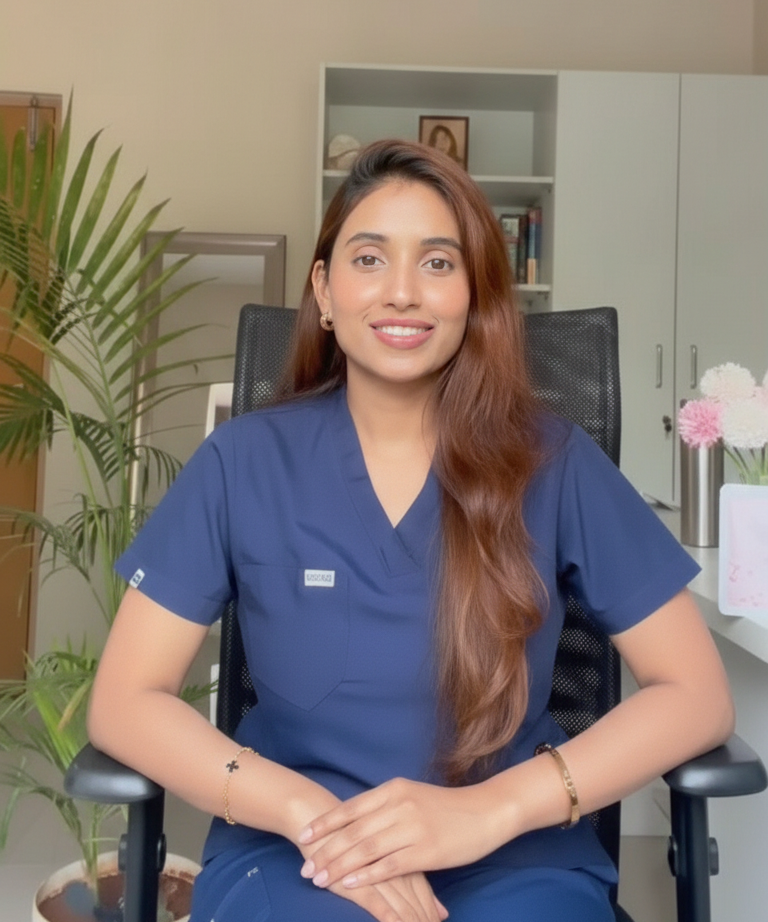
By Dr. Vishakha Iyer, Dermatologist and Aesthetic Medicine Specialist, Cheveuderm Skin & Hair Clinic, HBR Layout, Bengaluru
Frizzy and unmanageable hair can be difficult to control, especially in Bangalore’s humid weather. Hair may look smooth indoors but become dry, rough or puffy as soon as you step outside.
This is one reason keratin treatment has become so popular.
A good keratin treatment can make hair smoother, shinier and easier to manage. However, not every product or salon procedure is the same. The final result depends on your hair condition, the formula used, the amount of heat applied and the experience of the professional performing the treatment.
Before booking a session, it helps to understand what keratin treatment actually does, how much it may cost, how long it lasts and whether it is suitable for your hair.
What Is Keratin Treatment?
Keratin is a protein naturally found in your hair, skin and nails. It contributes to the strength, structure and flexibility of each hair strand.
Over time, the outer surface of the hair can become rough or damaged because of:
- Frequent heat styling
- Hair colouring or bleaching
- Chemical straightening
- Pollution and sun exposure
- Hard water
- Excessive washing
- Poor hair-care practices
A keratin hair treatment applies a keratin-based smoothing formula to the hair. The product is then sealed onto the hair shaft using controlled heat.
The treatment helps flatten the outer cuticle of the hair, reduce frizz and create a smoother appearance. It does not permanently change your natural hair structure in the same way that rebonding does.
The result is usually softer, glossier and more manageable hair.
How Does Keratin Treatment Work?
The outer layer of every hair strand is called the cuticle. It is made up of overlapping scales.
When the cuticle is healthy, these scales lie flat. Hair looks smoother and reflects light more evenly.
When the cuticle becomes damaged, the scales lift. Moisture can enter the hair shaft unevenly, causing the strand to swell and develop frizz.
A professional keratin treatment usually involves the following steps:
1. Hair cleansing
The hair is washed using a clarifying shampoo to remove oil, styling products and buildup.
2. Keratin formula application
The smoothing formula is applied section by section so that it coats the hair evenly.
3. Blow-drying
The hair is dried carefully before the heat-sealing stage.
4. Heat sealing
A flat iron is used to seal the product onto the hair shaft. The temperature must be selected according to the condition, thickness and chemical history of the hair.
5. Post-treatment care
Depending on the product used, you may be asked to avoid washing or tying your hair for a specific period.
The exact process can vary between brands. Always follow the instructions provided by the professional who performs your treatment.
What Are the Benefits of Keratin Treatment?
Keratin treatment can offer several benefits when it is performed correctly on suitable hair.
Better frizz control
This is the main reason people choose keratin treatment. Smoothing the hair cuticle helps reduce the way hair reacts to moisture and humidity.
Smoother and shinier hair
A flatter cuticle reflects light more evenly, which gives hair a healthier and glossier appearance.
Easier daily styling
Many people find that their hair becomes easier to brush, dry and style after treatment.
Reduced blow-drying time
Smoother hair often dries and settles faster, which may reduce the time spent using a hairdryer.
Better manageability for thick or wavy hair
Keratin treatment can make coarse, wavy or curly hair easier to manage without necessarily removing all natural movement.
Temporary protection for the hair shaft
The coating created by the treatment may temporarily reduce friction and improve the appearance of damaged strands.
However, keratin treatment does not repair a damaged follicle or treat underlying hair loss. It mainly improves the surface appearance and manageability of the hair.
Keratin Treatment Price in India
The price of keratin treatment varies considerably between salons.
The final cost usually depends on:
- Hair length
- Hair thickness and density
- Amount of product required
- Product brand and formulation
- Stylist experience
- Salon location
- Whether the treatment is formaldehyde-free
- Additional services such as trimming or blow-drying
Typical keratin treatment price range
| Salon category | Approximate price |
|---|---|
| Budget salon or home service | ₹1,500 to ₹4,000 |
| Mid-range professional salon | ₹4,000 to ₹10,000 |
| Premium salon and professional product line | ₹10,000 to ₹18,000 |
| High-end or specialist service | ₹18,000 and above |
These prices are only general estimates. Long, thick or highly textured hair may cost more because it requires additional time and product.
A very low quote should be considered carefully. The salon may be using an unknown formulation, excessive heat or an inexperienced application technique.
Ask the salon:
- Which product brand will be used?
- Does the formula release formaldehyde?
- Is the treatment suitable for coloured or damaged hair?
- Is the quoted price based on your hair length and density?
- What aftercare products will you need?
Keratin Treatment vs Rebonding vs Smoothening
These treatments are often confused, but they work differently.
Keratin treatment
Keratin treatment coats and smooths the outer hair shaft. It reduces frizz while usually preserving some natural movement.
Best for: Frizz, roughness and difficult-to-manage hair
Result: Smoother and shinier hair
Duration: Usually three to six months
Structural change: Temporary
Hair rebonding
Rebonding uses strong chemical agents to break and reform the internal bonds of the hair.
Best for: People who want permanently straight hair
Result: Very straight hair
Duration: Permanent on treated hair
Structural change: Permanent
Hair smoothening
Smoothening partially relaxes the hair and creates a softer straightened effect.
Best for: Mild frizz reduction and a more natural straight look
Result: Softer and straighter hair
Duration: Usually shorter than keratin treatment
Structural change: Chemical and semi-permanent
Which Treatment Should You Choose?
Keratin treatment may be more suitable when you want:
- Frizz reduction
- Better shine
- Easier styling
- Natural movement
- A temporary smoothing result
Rebonding may be considered when you want very straight hair and your hair is healthy enough to tolerate a stronger chemical process.
Smoothening may suit someone looking for a softer straightening effect without the completely flat appearance associated with rebonding.
If your hair is already bleached, brittle, thinning or heavily treated, it is safer to get a professional hair and scalp assessment before choosing any chemical procedure.
Keratin Treatment Side Effects
Keratin treatment can be performed safely, but it is not completely risk-free.
The two main concerns are chemical exposure and excessive heat.
Formaldehyde exposure
Some keratin smoothing formulas contain formaldehyde or ingredients that release formaldehyde when heated.
Short-term exposure may cause:
- Eye irritation
- Nose or throat irritation
- Headache
- Coughing
- Dizziness
- Skin sensitivity
Ask whether the salon offers a formaldehyde-free or lower-exposure alternative. Good ventilation is also important during application.
Flat-ironing at a temperature that is too high for your hair can weaken the cuticle.
Possible effects include:
- Dryness
- Brittle strands
- Split ends
- Hair breakage
- Loss of natural curl pattern
- Dullness after the treatment fades
The heat setting should be adjusted according to the thickness, porosity and existing condition of your hair.
Scalp irritation
The treatment should not be applied directly onto an irritated or inflamed scalp.
Avoid the procedure when you have:
- Active dandruff with inflammation
- Scalp wounds
- Severe itching
- Contact dermatitis
- Recent allergic reactions
- Unexplained excessive shedding
Does Keratin Treatment Cause Hair Loss?
Keratin protein itself does not directly cause hair loss.
However, the overall procedure may contribute to shedding or breakage when:
- The formula irritates the scalp
- Excessive heat is used
- Hair is already weak or over-processed
- The treatment is repeated too frequently
- Tight handling causes traction
- The person already has an untreated hair-loss condition
It is also important to separate hair breakage from true hair loss.
Hair breakage happens along the strand. True hair loss occurs from the follicle.
If you are already experiencing excessive shedding, reduced density, a widening part or a receding hairline, keratin treatment will not address the underlying cause.
Read more about professional hair loss treatment in Bangalore and how a dermatologist evaluates hair thinning before recommending treatment.
Who Should Avoid Keratin Treatment?
Keratin treatment may not be suitable for everyone.
You should be cautious or seek professional advice if you have:
- Very fine or fragile hair
- Severely damaged hair
- Recently bleached hair
- Active scalp irritation
- Unexplained hair shedding
- A history of sensitivity to salon chemicals
- Pregnancy or breastfeeding
- Asthma or sensitivity to strong fumes
A dermatologist or experienced hair professional can help assess whether your hair can tolerate the treatment safely.
How Long Does Keratin Treatment Last?
Most keratin treatments last approximately three to six months.
The duration depends on:
- The formula used
- Your natural hair type
- Hair porosity
- How frequently you wash your hair
- The shampoo and conditioner you use
- Exposure to hard water
- Swimming
- Heat styling
- Your aftercare routine
People who wash their hair daily may notice the effect fading sooner.
In Bangalore, both humidity and hard-water exposure can affect how long the smoothness lasts. Read our guide to hard water and hair fall in Bangalore for practical information on mineral buildup, dryness and breakage.
Keratin Treatment Aftercare
Good aftercare can help the treatment last longer and reduce unnecessary damage.
Follow the initial waiting instructions
Some formulas require you to avoid washing the hair for a certain period. Newer formulations may allow earlier washing.
Always follow the exact instructions for the product used.
Use a gentle shampoo
Choose a shampoo recommended for keratin-treated hair. Harsh cleansing agents can make the result fade faster.
Avoid washing too frequently
Washing two or three times a week may help extend the treatment, depending on your scalp condition.
Do not reduce washing if you have an oily, itchy or dandruff-prone scalp. Scalp health should come before extending a cosmetic result.
Use conditioner regularly
Conditioner reduces friction, improves manageability and helps protect the ends of the hair.
Protect hair from swimming water
Chlorinated water and salt water can shorten the life of the treatment. Wet your hair with clean water before swimming and rinse it soon afterwards.
Minimise unnecessary heat
Keratin-treated hair may require less styling. When using heat, apply a suitable heat protectant.
Be careful with hard water
Mineral buildup can make hair feel rough and dull. A clarifying routine may be helpful, but it should not be overused.
Avoid repeating the treatment too soon
Allow the previous treatment to fade before repeating the process. Frequent chemical and heat exposure can weaken the hair shaft.
For additional guidance, read our dermatologist-approved tips for maintaining healthy hair.
Is Keratin Treatment Suitable for Curly Hair?
Keratin treatment can reduce frizz and loosen the appearance of curls.
The final result depends on:
- Curl pattern
- Formula strength
- Heat used
- Number of flat-iron passes
- Hair porosity
- Previous chemical treatments
Some people want smoother, more defined curls rather than straight hair. Make this clear during consultation so the application can be adjusted.
Very curly or coily hair may lose some curl definition. Anyone who wants to preserve their natural pattern should discuss this carefully before treatment.
Is Keratin Treatment Suitable for Coloured Hair?
Keratin treatment can be performed on coloured hair, but timing matters.
Hair that has been recently bleached or heavily lightened may already be fragile. Adding another chemical and high-heat procedure can increase the risk of breakage.
The safest order often depends on:
- Colour formula
- Bleaching history
- Hair porosity
- Current strength
- Keratin product used
Ask your colourist and treatment provider to coordinate the services rather than booking them independently.
Keratin Treatment and Hair Loss Treatments Are Not the Same
Keratin treatment is a cosmetic smoothing procedure.
It can improve:
- Frizz
- Shine
- Surface smoothness
- Styling time
- Manageability
It cannot treat:
- Pattern hair loss
- Hormonal hair loss
- Nutritional hair loss
- Follicle miniaturisation
- Receding hairline
- Reduced hair density
- Scalp disease
When the concern is active shedding or thinning, the first step should be identifying the cause.
Dermatologist-led treatments such as GFC hair treatment in Bangalore may be considered for suitable cases of early hair thinning and reduced density. GFC is a medical hair-restoration treatment and should not be confused with keratin smoothing.
You can also explore Cheveuderm’s full range of hair treatments in Bangalore.
Frequently Asked Questions
Is keratin treatment good for hair?
Keratin treatment can be helpful for healthy hair that is frizzy, coarse or difficult to manage. It may not be suitable for severely damaged, fragile or actively shedding hair.
Can keratin treatment damage hair?
Yes. Damage can occur when unsuitable products, excessive heat or poor application techniques are used. Repeated treatments can also increase cumulative damage.
How long does keratin treatment last?
Most treatments last between three and six months. The exact duration depends on the product, hair type and aftercare routine.
Can I colour my hair after keratin treatment?
It is usually better to leave a suitable gap between colouring and keratin treatment. The recommended timing depends on the products being used and the condition of your hair.
Does keratin treatment cause hair fall?
Keratin itself does not directly cause hair loss. However, scalp irritation, chemical exposure, excessive heat and hair breakage may contribute to increased shedding or visible thinning.
How often can keratin treatment be done?
Many people repeat the treatment only after the previous result has faded. Performing it too frequently can increase chemical and heat-related stress on the hair.
What is the difference between keratin treatment and rebonding?
Keratin treatment temporarily smooths the outer surface of the hair. Rebonding permanently changes the internal structure of treated hair to make it straight.
Is keratin treatment safe during pregnancy?
Keratin treatments are generally avoided during pregnancy because some products may release formaldehyde or other fumes when heated. Speak to your doctor before considering any chemical salon treatment.
Final Thoughts
Keratin treatment can be a useful option for people struggling with frizz, roughness and difficult-to-manage hair.
The best results come from:
- Choosing an experienced professional
- Using a known and suitable product
- Adjusting heat to the condition of the hair
- Following the correct aftercare routine
- Avoiding treatment on severely damaged or actively shedding hair
A keratin treatment should improve manageability without compromising the health of your hair.
If you are experiencing thinning, scalp sensitivity, breakage or unexplained hair fall, it is better to have the condition assessed before proceeding with a chemical smoothing service.
Book a Hair and Scalp Consultation in Bangalore
Unsure whether keratin smoothing is suitable for your hair?
Book a consultation at Cheveuderm Skin & Hair Clinic, HBR Layout, Bengaluru. Dr. Vishakha Iyer and the Cheveuderm team can assess your hair condition, scalp health and treatment history before recommending the right approach.
Depending on your concern, this may include cosmetic smoothing advice, scalp care, medical hair-loss treatment or regenerative options such as GFC.
Contact Cheveuderm to book your consultation
Sources and References
- Cleveland Clinic — Keratin Treatments: What You Need to Know (Dr. Alok Vij, MD): https://health.clevelandclinic.org/keratin-treatments
- Medical News Today — Keratin Hair Treatment: Overview, Benefits, Care: https://www.medicalnewstoday.com/articles/keratin-hair-treatment
- Healthline — Keratin Treatment Pros and Cons: https://www.healthline.com/health/keratin-treatment-pros-and-cons
- Healthline — Side Effects of Keratin Treatment: https://www.healthline.com/health/what-are-the-side-effects-of-a-keratin-treatment
- Dermatology Times — Keratin Hair Treatments and Formaldehyde Exposure: https://www.dermatologytimes.com/view/keratin-hair-treatments-and-formaldehyde-exposure
- Bajaj Finserv — Keratin Treatment Cost in India 2026: https://www.bajajfinserv.in/keratin-treatment-cost
- Magicpin — Keratin Treatment Price India 2025: https://magicpin.in/blog/category/beauty/keratin-treatment-price-india
- Urban Company — Keratin Hair Treatment for Indian Hair: https://www.urbancompany.com/blog/keratin-hair-treatment-for-indian-hair-all-you-need-to-know
- Salon Nayana Bangalore — How to Control Frizzy Hair in Bangalore Humidity: https://www.salonnayana.in/post/control-frizzy-hair-bangalore-humidity
- GK Hair — Keratin Treatment Aftercare: 10 Golden Rules: https://www.gkhair.com/blogs/all-blog-posts/keratin-treatment-aftercare-10-golden-rules
- Davines — What Is a Keratin Treatment?: https://us.davines.com/blogs/news/what-is-a-keratin-treatment